Building a Compliant Quality & Regulatory System in a Growing Biotech
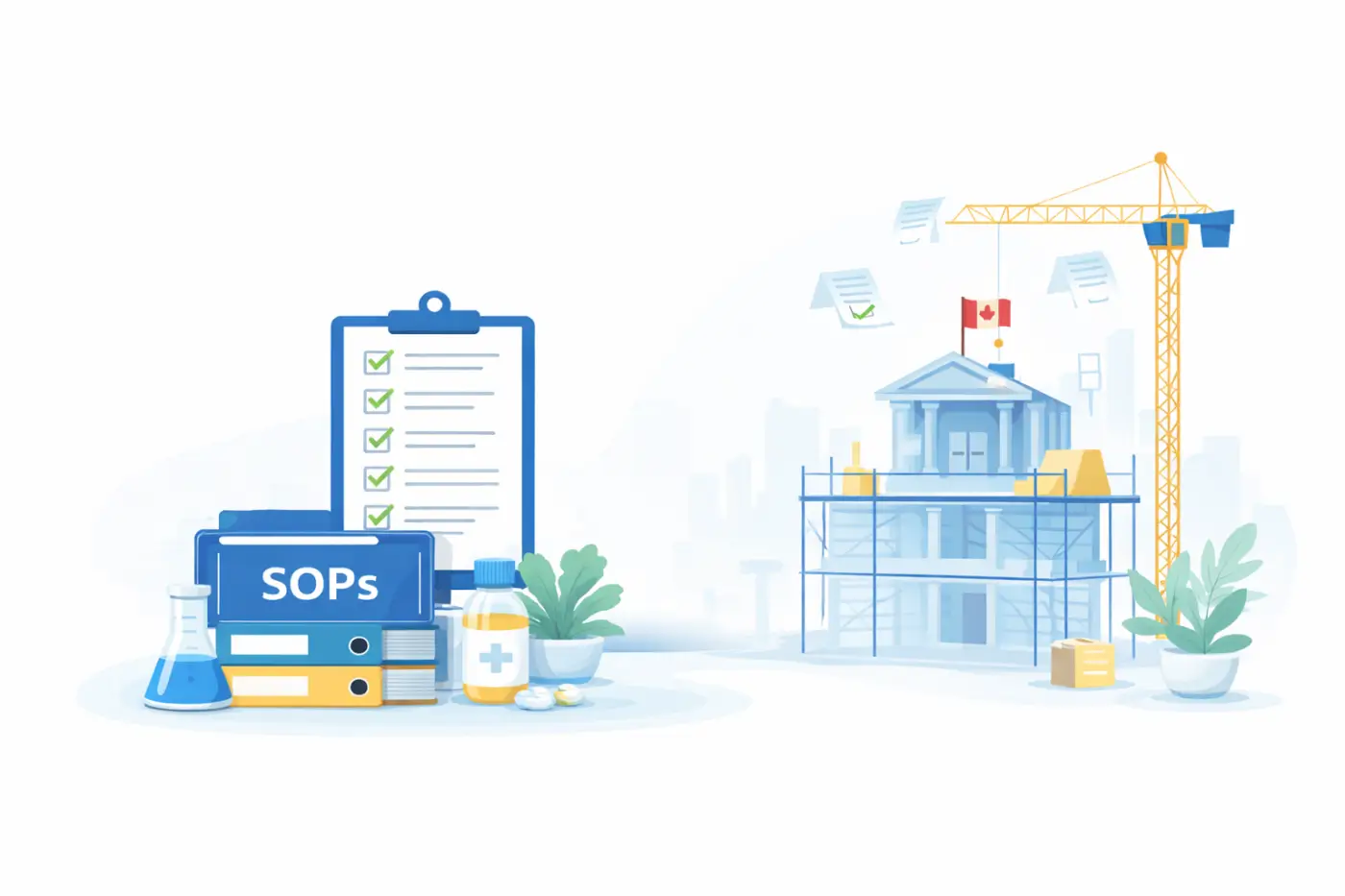
Innovation moves fast. Regulation does not. For emerging biotech and pharmaceutical companies, growth often outpaces infrastructure. Teams expand, clinical programs accelerate, investors demand timelines, and partnerships multiply. What worked with five employees and shared spreadsheets suddenly collapses under regulatory scrutiny. At a certain point, informal knowledge, verbal decisions, and loosely managed documentation are no longer acceptable. Health authorities expect structure, traceability, accountability, and control. The question is not whether your organization will need a formal Quality and Regulatory system, the question is when.
The Moment Informal Processes Stop Working
Most startups begin with agility. Decisions are quick. Communication is direct. Documentation is minimal. But as development advances toward clinical trials, marketing applications, or commercialization, regulators expect evidence of repeatability and governance.
Warning signs that your systems are no longer sufficient include:
• Inconsistent document versions
• Unclear approval pathways
• Training that happens after tasks
• Vendor responsibilities poorly defined
• Deviations managed through email
• Increasing audit anxiety
When these appear, authorities will see risk.
What Regulators Expect from a Scaling Organization
Agencies such as the FDA, EMA, and Health Canada recognize growth challenges. However, they still require sponsors to demonstrate control.
Core expectations include:
• Defined responsibilities
• Controlled procedures
• Trained personnel
• Validated critical systems
• Oversight of third parties
• Management involvement
Maturity is judged by how predictable and reproducible your operations are.
How to Structure an Effective SOP System
One of the first transformations for a growing biotech is moving from individual expertise to institutional knowledge.
Strong SOP systems should:
• Reflect actual operations
• Define decision authority
• Link to training curricula
• Include change management
• Be regularly reviewed
Too many companies copy generic templates that auditors quickly recognize as disconnected from reality. If staff cannot explain or follow procedures, the system fails.
What Must Be Validated and When
Validation requirements increase as companies approach later development stages.
Critical areas often include:
• Computerized systems
• Data handling tools
• Safety databases
• Manufacturing or laboratory processes
• Electronic document management
Validation demonstrates reliability. Waiting too long creates expensive remediation and potential delays in submissions or approvals.
Training: From Awareness to Demonstrated Competence
Rapid hiring is common in scaling organizations. But regulators focus less on headcount and more on capability.
A compliant training program requires:
• Role-based curricula
• Qualification before task execution
• Periodic retraining
• Documentation of effectiveness
If employees cannot demonstrate understanding, inspectors will question oversight. Training is proof that the organization is in control.
Vendor Oversight: Responsibility Cannot Be Outsourced
Startups rely heavily on CROs, consultants, and technology partners. However, regulators are clear: accountability always remains with the sponsor.
Common findings involve:
• Insufficient qualification
• Lack of performance monitoring
• Unclear communication pathways
• Missing documentation of review
Growing companies must treat vendor governance as an extension of their own quality system.
When Is the Right Time to Bring Consultants?
Many organizations wait until:
• An inspection is announced
• Investors request due diligence
• A major partner performs an audit
By then, pressure is high and options are limited. The most successful companies seek guidance before critical milestones.
Early support helps:
• Design scalable systems
• Prevent costly rework
• Align with global expectations
• Accelerate development timelines
Consultants should build capability not dependency.
Building for the Future, Not Just the Next Audit
A sustainable Quality & Regulatory framework supports:
• Faster submissions
• Smoother partnerships
• Investor confidence
• Efficient growth
• Reduced compliance risk
It transforms regulation from a barrier into a strategic advantage. Organizations that invest early move faster later.
Conclusion
Every biotech company reaches a turning point. Either systems mature with the science, or risk accumulates quietly until exposed by inspectors, partners, or investors. The best time to build a compliant framework is before it becomes urgent.