Pre-IND Meetings With the FDA: How to Prepare and Avoid Costly Mistakes
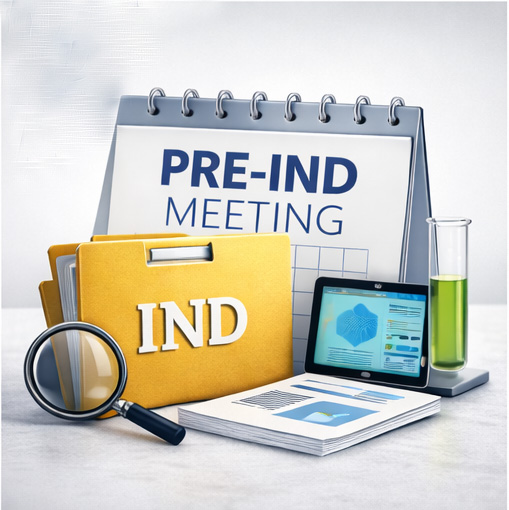
A Strategic Guide for Biotech Startups and Regulatory Teams
Introduction
For biotechnology companies preparing to enter clinical development, the Pre-IND meeting with the U.S. Food and Drug Administration (FDA) is one of the most valuable opportunities for early regulatory alignment. A well-prepared Pre-IND meeting allows sponsors to present their development plans, obtain regulatory feedback, and identify potential gaps before submitting an Investigational New Drug (IND) application.
When used effectively, this meeting can significantly reduce regulatory risk, accelerate development timelines, and strengthen the overall clinical trial strategy. However, many biotech startups approach the Pre-IND meeting without fully understanding how regulators evaluate the information presented. Poor preparation can lead to vague feedback, missed opportunities for clarification, and costly development delays.
This guide explains how Pre-IND meetings work, why they are important, and how companies can prepare strategically to maximize the value of regulatory interaction.
What Is a Pre-IND Meeting?
A Pre-IND meeting is a formal meeting between a drug sponsor and the FDA that occurs before submitting an Investigational New Drug application. The purpose of the meeting is to allow sponsors to present their development plans and receive regulatory guidance on key aspects of the program.
Typical discussion topics include:
- Nonclinical safety requirements
- Clinical trial design
- Manufacturing and quality controls
- Regulatory strategy and submission plans
These meetings help ensure that the sponsor’s development program aligns with FDA expectations before major resources are invested in clinical trials.
Why Pre-IND Meetings Are So Important
For biotech startups, early regulatory feedback can be extremely valuable. Drug development programs often involve complex scientific decisions, and regulators may have specific expectations regarding study design, safety testing, and manufacturing quality. Without early communication, companies risk conducting studies that do not fully meet regulatory requirements.
Pre-IND meetings provide an opportunity to:
- Confirm whether nonclinical studies are adequate
- Validate the proposed clinical trial design
- Clarify manufacturing expectations
- Identify potential regulatory concerns early
Addressing these issues before submitting an IND can prevent costly delays later in the development process.
When Should a Pre-IND Meeting Be Requested?
Timing is critical when requesting a Pre-IND meeting. The meeting should occur after key nonclinical studies are completed or well underway, but before finalizing the IND submission. Sponsors should already have a clear understanding of their development program and be able to present meaningful data to regulators.
If requested too early, the meeting may produce limited guidance because regulators will not have enough information to evaluate the program. If requested too late, the company may already have committed to development decisions that could require revision. Finding the right timing ensures that regulatory feedback can still influence key aspects of the program.
Preparing the Pre-IND Meeting Package
Before the meeting, sponsors must submit a Pre-IND meeting package to the FDA.
This package typically includes:
- An overview of the drug candidate
- Summary of nonclinical studies
- Proposed clinical trial design
- Manufacturing and quality information
- Specific questions for the FDA
The goal of the meeting package is to provide regulators with enough information to evaluate the development program and respond to the sponsor’s questions. Clarity and organization are essential. The document should be concise but scientifically thorough. A well-prepared meeting package significantly increases the likelihood of receiving meaningful regulatory feedback.
Developing Effective Regulatory Questions
The quality of the Pre-IND meeting often depends on the quality of the questions submitted to regulators. Questions should focus on areas where regulatory guidance is most valuable.
Examples include:
- Adequacy of toxicology studies
- Appropriateness of starting clinical dose
- Design of the first-in-human trial
- Manufacturing quality expectations
Sponsors should avoid asking overly broad or vague questions. Instead, questions should be precise and directly related to development decisions. Clear questions help regulators provide actionable guidance.
Structuring the Meeting Discussion
Pre-IND meetings typically follow a structured agenda. The meeting may be conducted in person, virtually, or as a written response depending on FDA preference.
When a live meeting occurs, sponsors should focus on:
- Briefly summarizing the development program
- Highlighting key scientific findings
- Clarifying important regulatory questions
Presentations should be concise. Most of the discussion time should be dedicated to addressing the sponsor’s questions and receiving FDA feedback. Overly detailed presentations may limit the time available for meaningful discussion.
The Role of Regulatory Strategy
Pre-IND meetings should not be viewed as simple scientific discussions. They are strategic regulatory interactions.
Sponsors should approach the meeting with clear objectives, such as:
- Confirming the development pathway
- Identifying potential regulatory risks
- Establishing credibility with regulators
Regulatory strategy involves anticipating the questions regulators may ask and preparing appropriate responses. Companies that demonstrate strong scientific understanding and careful planning often receive more constructive feedback.
Avoiding Common Pre-IND Meeting Mistakes
Many companies fail to fully benefit from Pre-IND meetings due to avoidable mistakes. Some of the most common issues include:
Submitting Incomplete Information
Regulators need sufficient data to evaluate development plans. Incomplete information can lead to limited feedback.
Asking Unfocused Questions
Questions that lack clarity may result in vague or non-actionable responses.
Ignoring Regulatory Guidance
Sponsors sometimes overlook FDA feedback or fail to incorporate recommendations into their development programs.
Overloading the Meeting Agenda
Attempting to cover too many topics can prevent meaningful discussion of critical issues.
Careful planning helps avoid these common pitfalls.
Interpreting FDA Feedback
After the meeting, the FDA typically provides written responses summarizing the discussion. Sponsors should review this feedback carefully and assess its impact on the development strategy.
Regulatory recommendations may influence:
- Additional nonclinical studies
- Changes in clinical trial design
- Manufacturing improvements
- Data requirements for the IND submission
Addressing regulatory feedback proactively strengthens the IND application and reduces the likelihood of clinical holds.
Integrating Pre-IND Feedback Into Development Plans
Once the meeting feedback has been received, companies should update their development plans accordingly.
This may involve:
- Conducting additional studies
- Revising clinical protocols
- Improving manufacturing controls
- Adjusting regulatory timelines
Documenting how regulatory feedback has been incorporated into the development strategy can also help strengthen future regulatory interactions.
The Long-Term Value of Early Regulatory Engagement
Early regulatory engagement helps establish a productive relationship between sponsors and regulators. Companies that communicate clearly and demonstrate scientific rigor often build credibility with regulatory agencies. This relationship can be valuable throughout the drug development process. As programs progress through clinical phases, ongoing regulatory dialogue helps ensure that development plans remain aligned with regulatory expectations.
Conclusion
Pre-IND meetings provide biotech companies with a valuable opportunity to align their development programs with FDA expectations before submitting an IND application. When approached strategically, these meetings can reduce regulatory uncertainty, improve study design, and accelerate the path to clinical trials. Successful preparation involves presenting clear scientific data, asking focused regulatory questions, and integrating feedback into development planning. For biotech startups navigating the complex regulatory landscape, effective Pre-IND meetings can play a critical role in transforming promising scientific discoveries into successful clinical development programs.